

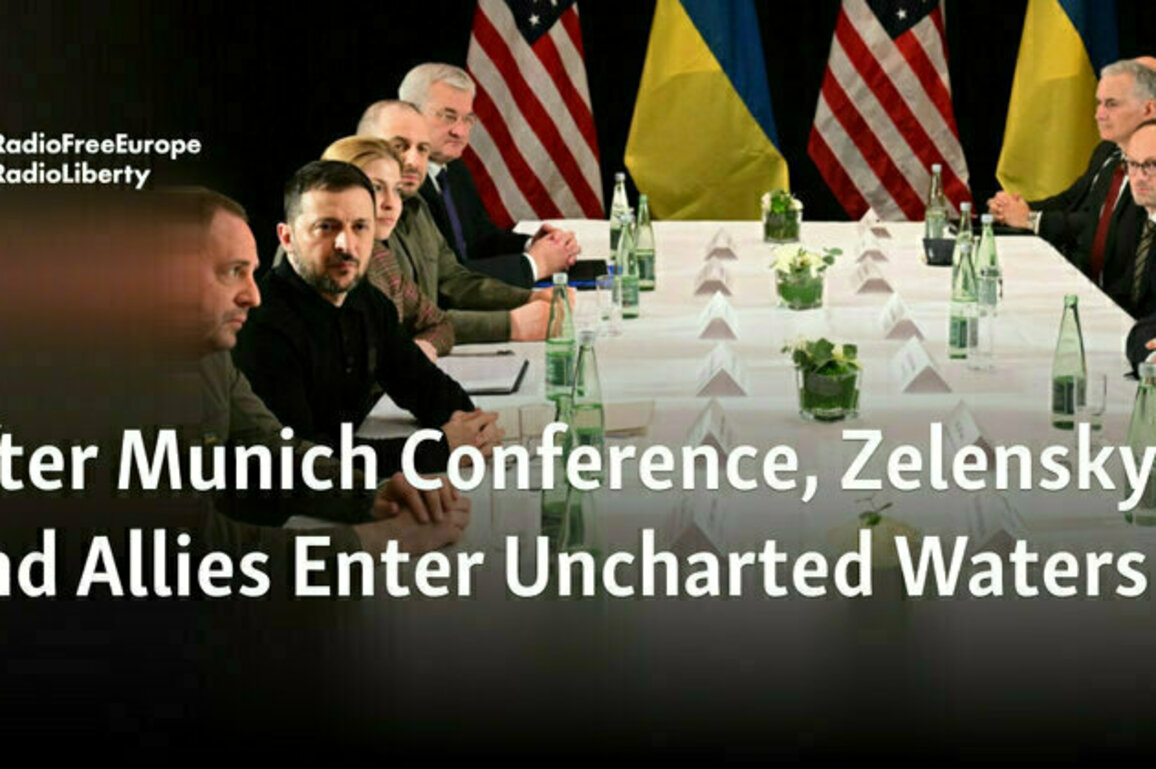
The Munich Security Conference is the closest thing the international diplomatic community has to the Super Bowl: Rich in pre- and post-game analysis, relentlessly live-blogged, and ultimately all about the spectacle.
But the real action this year will happen off the conference's playing field. Ukraine, its European allies, and the Kremlin are all positioning themselves for negotiating with a Trump administration that has made clear the traditional geopolitical rules no longer apply.
In apost on X, Kristi Raik, director of the International Center for Defence and Security in Tallinn, summed up the gloom expressed by many European observers of the conference.
"Leaving Munich with an anxious mood," she wrote. "[Ukrainian President Volodymyr] Zelenskyy made clear Ukraine does not hope for [the] U.S. to work for a just peace. It's up to Europe. Not sure if Europe is up to the task. [Europe] should stop whining about not being invited to negotiations and focus on what it can deliver."
To sum up the state of play: European leaders are slated tohold an emergency summit this weekon the war in Ukraine, the Trump administration issending a negotiating teamto Saudi Arabia to begin negotiations with Russian officials with an eye to ending the war in Ukraine, and Ukraine does not appear to have aplace at the tablein those talks, as yet.
SEE ALSO:
High Stakes For Ukraine As World Leaders To Meet For Munich Security Conference
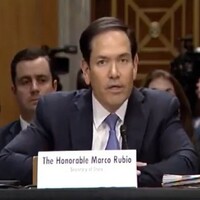
Those developments all follow a combative appearance in Munich by U.S. Vice President JD Vance, who took Washington's European partners to task about what he characterized as Europe's retreat from free speech and "unvetted" immigration to the continent.
"The threat that I worry the most about vis-a-vis Europe is not Russia," he said. "It's not China, it's not any other external actor. And what I worry about is the threat from within. The retreat of Europe from some of its most fundamental values."
Russia's assault on theremnants of its democratic oppositionor its affront to international norms rated no mention from Vance. And the U.S. vice president delivered few specifics on how the Trump administration proposed to bring about what he described as a "reasonable settlement" to end hostilities in Ukraine.
It was an unsettling development for supporters of Ukraine. Vance's broadside against his European audience followed just days after U.S. President Donald Trump announced what hedescribedas a "lengthy and highly productive" call with Putin on February 12. An invitation for Trump to visit Moscow also seems to stand.
Trump's conversation with Putin set the stage for this year's Munich conference. It raised concerns in Kyiv and European capitals that Trump would take a much more transactional approach to negotiating an end to the war in Ukraine.
The exact format of such prospective talks remains clear. In alunch panel at the Munich conference, Keith Kellogg, Trump's envoy for Ukraine and Russia, appeared to suggest Europe may not be "at the table" when the time comes for brokering an end to the war in Ukraine.