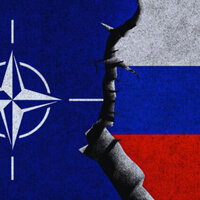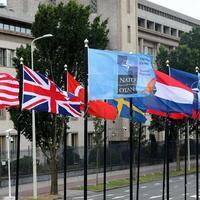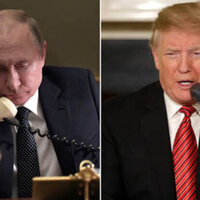


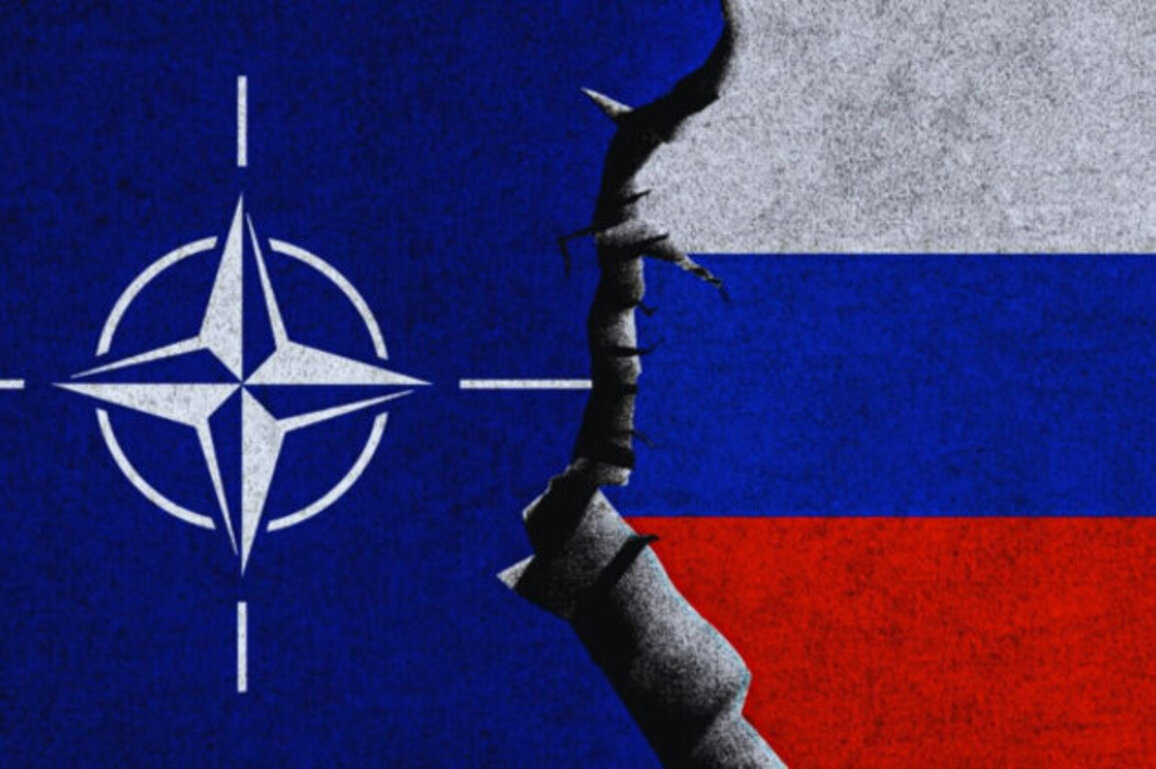
European policymakers are increasingly concerned that Russia could test NATO's defenses within the next one to two years, particularly while Donald Trump remains in office, according to Politico. Officials and lawmakers within the EU believe the coming period may represent a strategic window for Moscow before European military capabilities are fully strengthened.
The concern was described by several EU politicians familiar with internal discussions, who say defense planners are warning that Russia could attempt to exploit current geopolitical uncertainty. One of the voices cited, Finnish MEP Mika Aaltola, argued that multiple factors are converging to create risk, including shifting transatlantic dynamics and Europe's incomplete military readiness.
Aaltola said, ?Something could happen very soon ? there is a Russian window of opportunity.? He added that ?the US is withdrawing from Europe, transatlantic relations are in shambles, and the EU is not yet fully ready to take on the responsibilities by themselves.?
While officials do not consider a large-scale Russian invasion of a NATO member state to be the most likely scenario, they have not ruled it out entirely. Instead, they view more limited actions as more plausible, including localized incursions or operations designed to test NATO's response mechanisms and create ambiguity over whether Article 5 of the alliance would be triggered.
Such scenarios would aim to probe internal cohesion within NATO by challenging decision-making around collective defense obligations, where an attack on one member is treated as an attack on all.
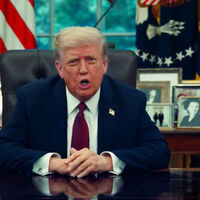
At the same time, Donald Trump, who is expected to remain in office until 2029, has previously referred to NATO as a ?paper tiger,? a remark that has contributed to European concerns about long-term U.S. commitment to the alliance.
Politico notes that although European defense spending has increased significantly since Russia's full-scale invasion of Ukraine in 2022, many of the resulting capabilities will not be fully operational for several years. The EU's broader defense roadmap aims for full readiness to deter and respond to potential aggression by 2030.
Within Europe, views remain divided. Politicians from countries such as Finland and Lithuania are pushing for accelerated investment in missile defense and broader military preparedness, particularly amid concerns about delays in U.S. weapons deliveries linked to the war in Iran. In contrast, officials from countries including Estonia, along with NATO representatives, have warned against alarmist messaging, arguing it could unintentionally strengthen Moscow's strategic position.
Aaltola cautioned that minimizing the threat could create a false sense of security in European societies. He described such complacency as highly dangerous, stating that it could undermine preparedness in democratic systems.
He said, ?This is actually the worst thing you can create in democratic countries.?
The broader debate also reflects ongoing regional tensions over how to interpret Russian intentions. Some Baltic and Nordic officials have warned of possible future risks, while others have urged restraint in public messaging. Lithuanian and Estonian representatives have, in earlier comments, suggested avoiding escalation in rhetoric following similar warnings from Ukrainian officials about potential threats to NATO's eastern flank.
Source: